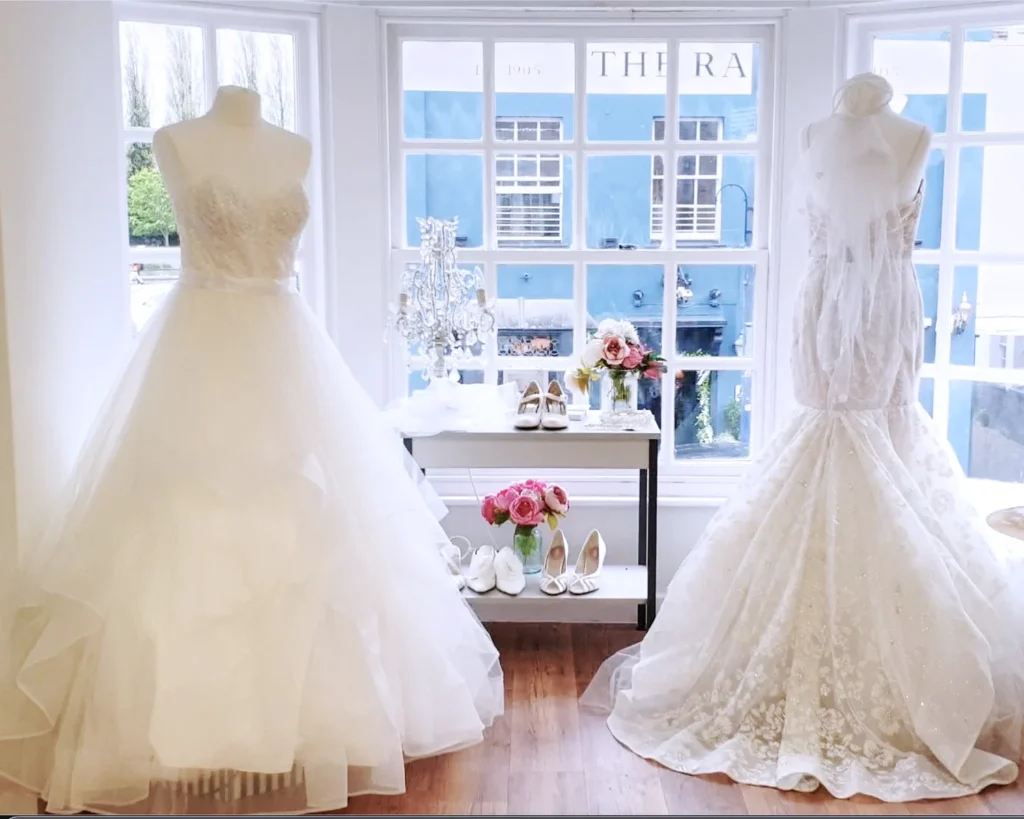
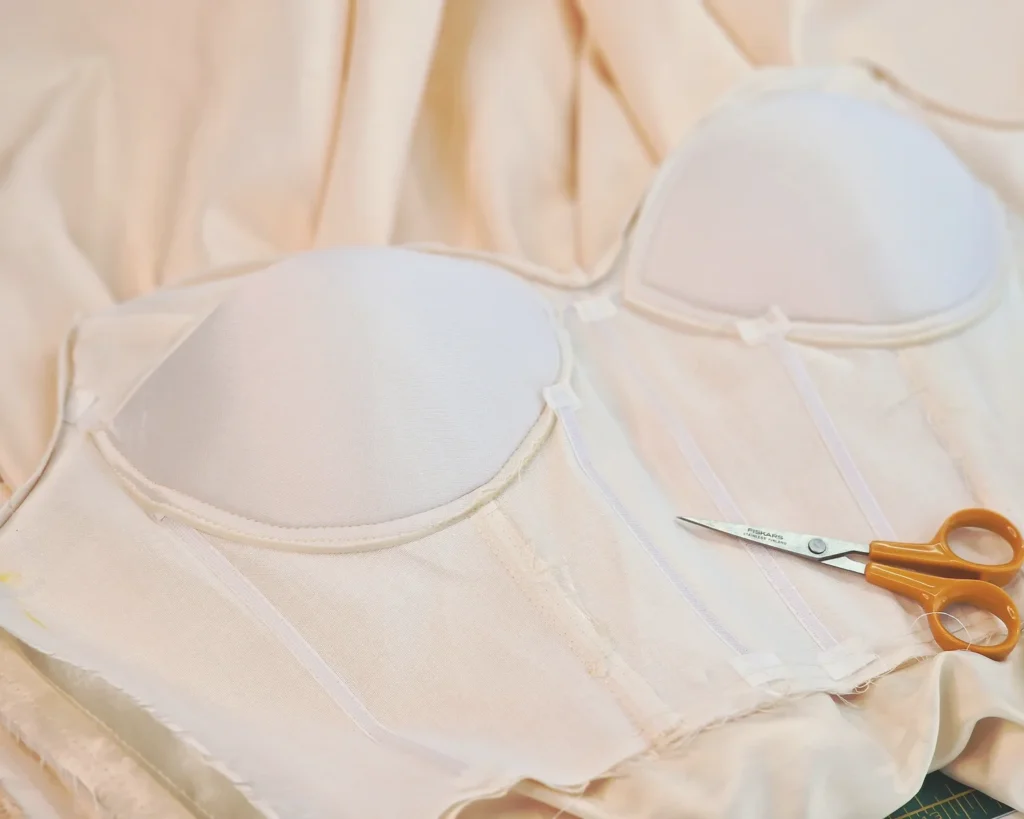
A wedding dress is rarely constructed like an everyday dress.
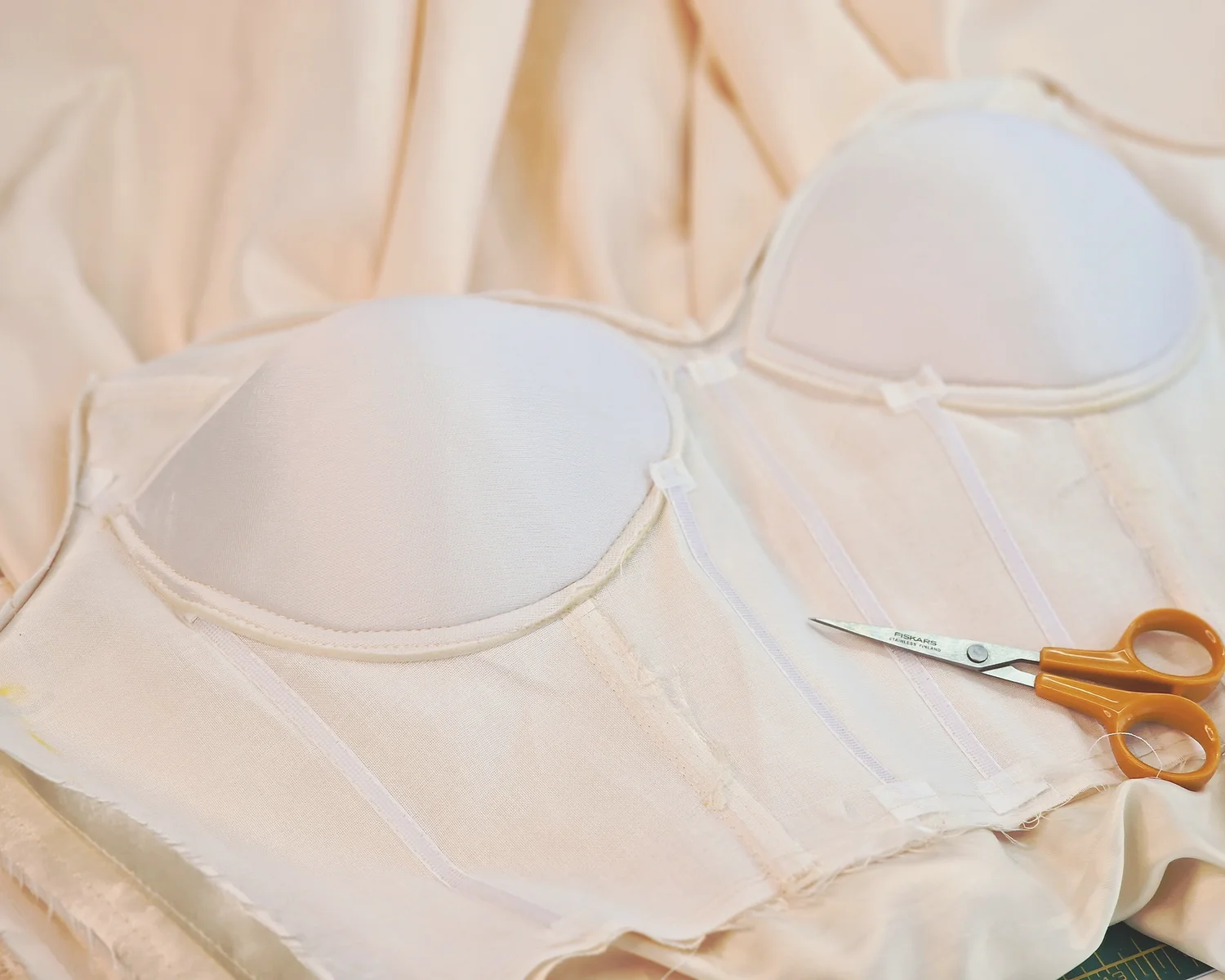
Beneath the outer fabric there may be lining, boning, cups, corsetry, lace, appliqué and several layers of skirt. Changing one area can affect the fit somewhere else. This is why bridal alterations are not simply about making a dress smaller, shorter or tighter.
STARTING WITH THE FIT
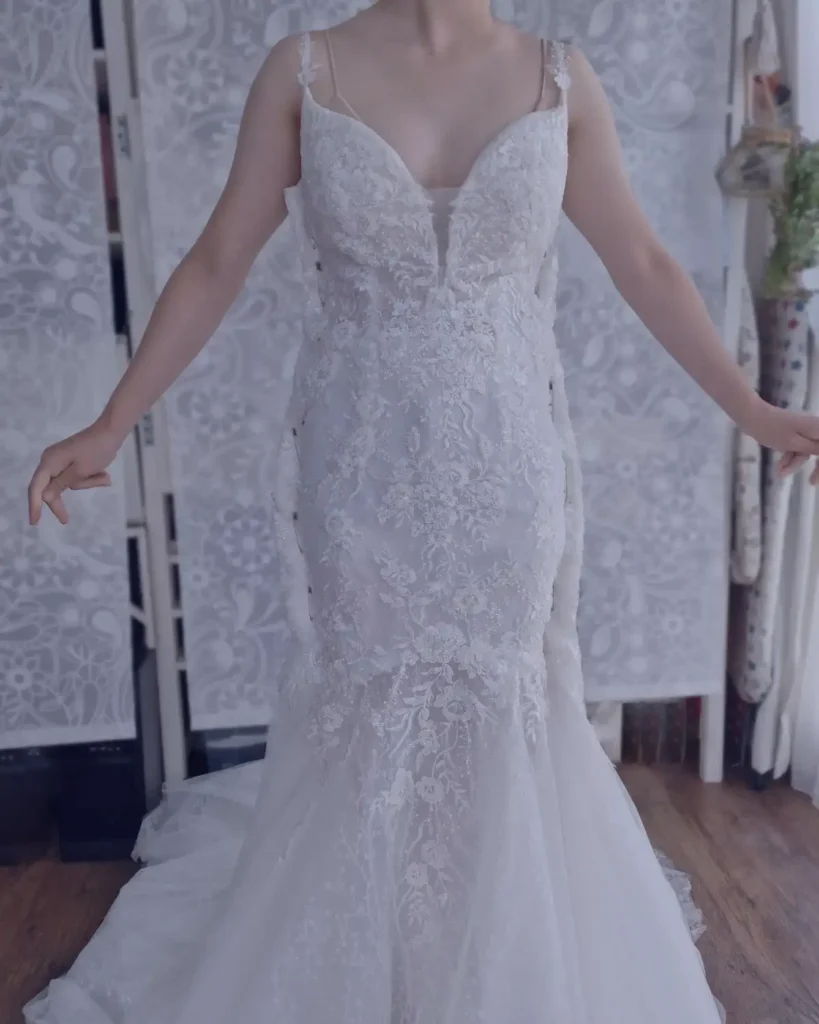
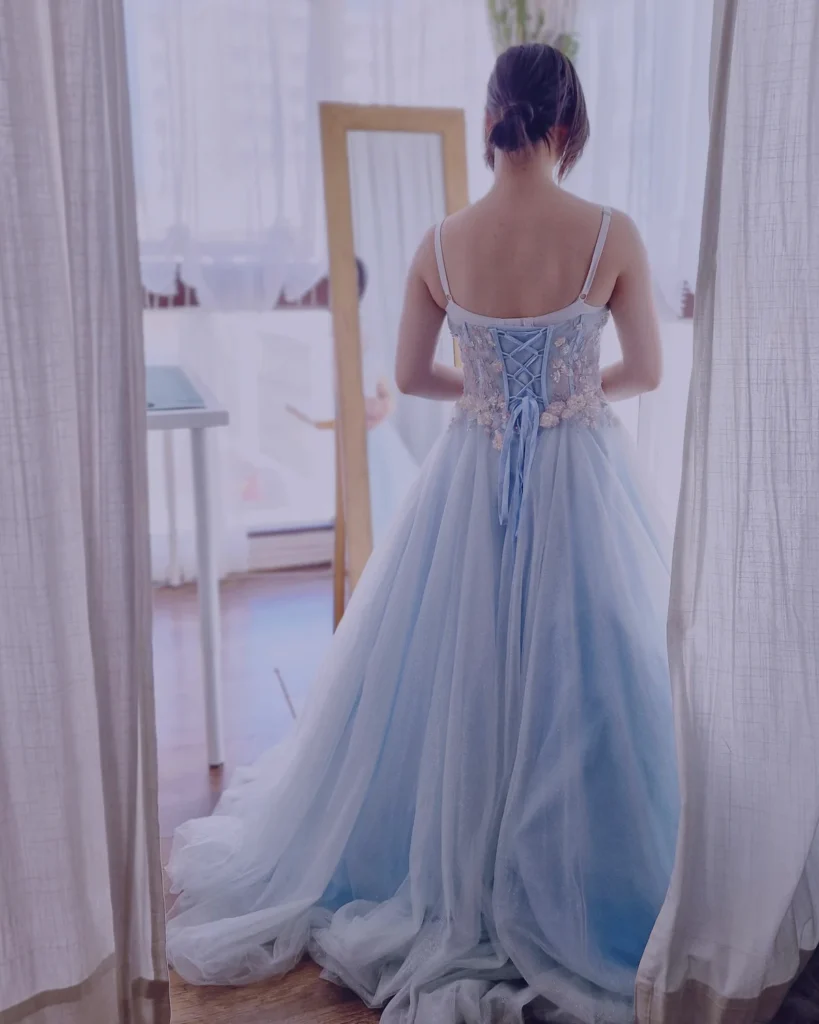
At the first fitting, I start by asking what does not feel right.
A dress may technically fit but still feel uncomfortable through the bust, waist, neckline or shoulders. Sometimes the problem is not size at all, but support, balance or proportion.
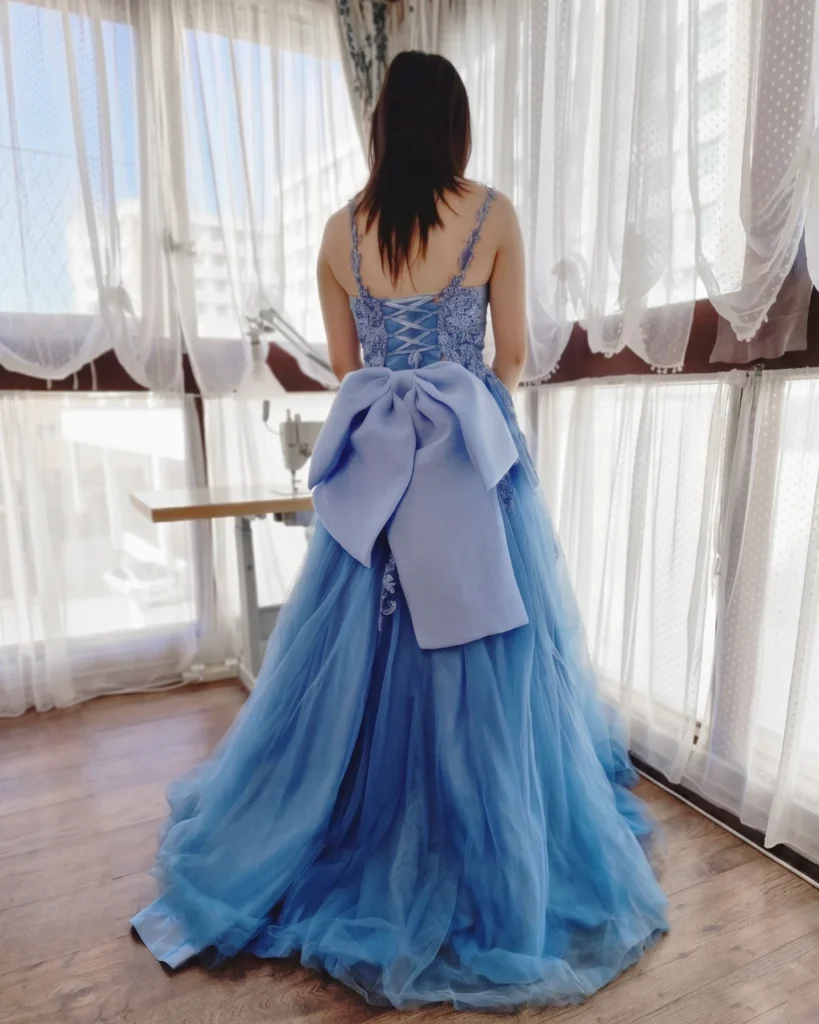
I then look at how the whole dress sits on the body before deciding what needs to change.
LOOKING AT THE CONSTRUCTION
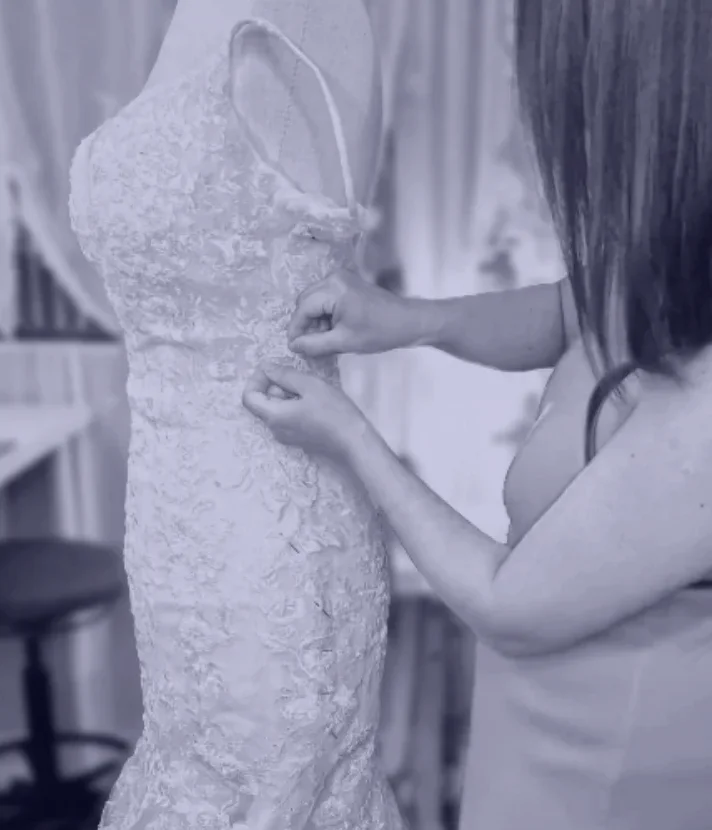
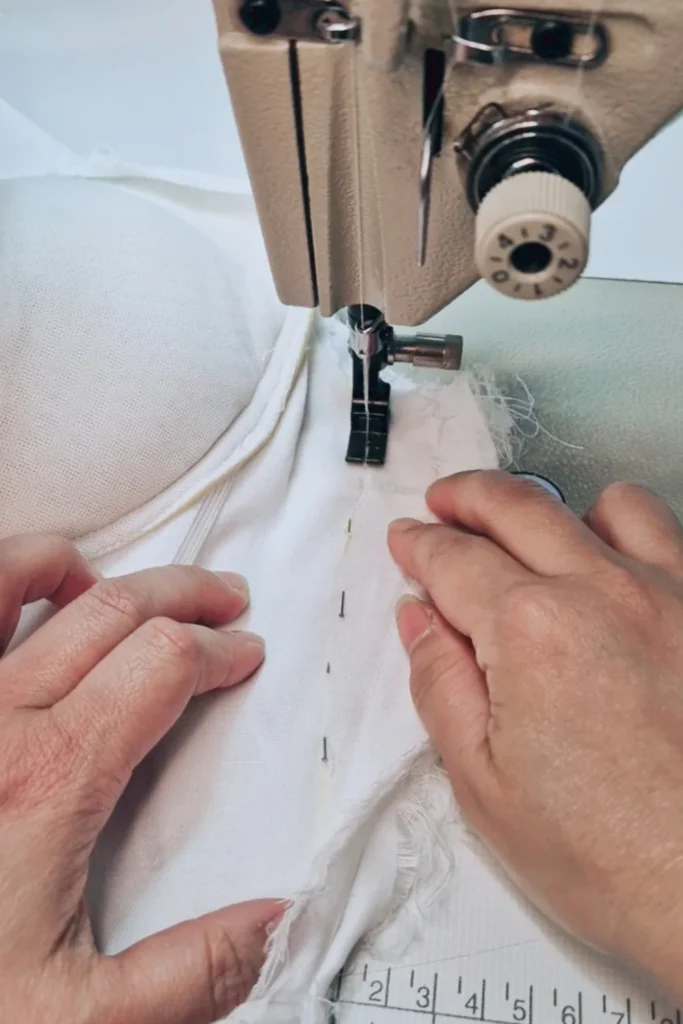
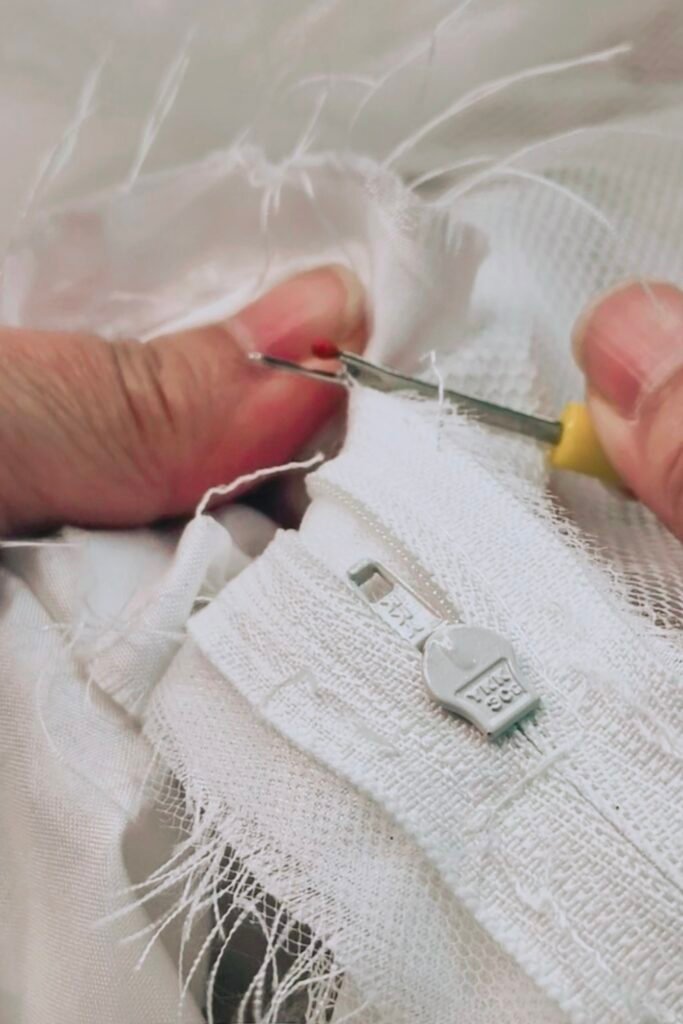
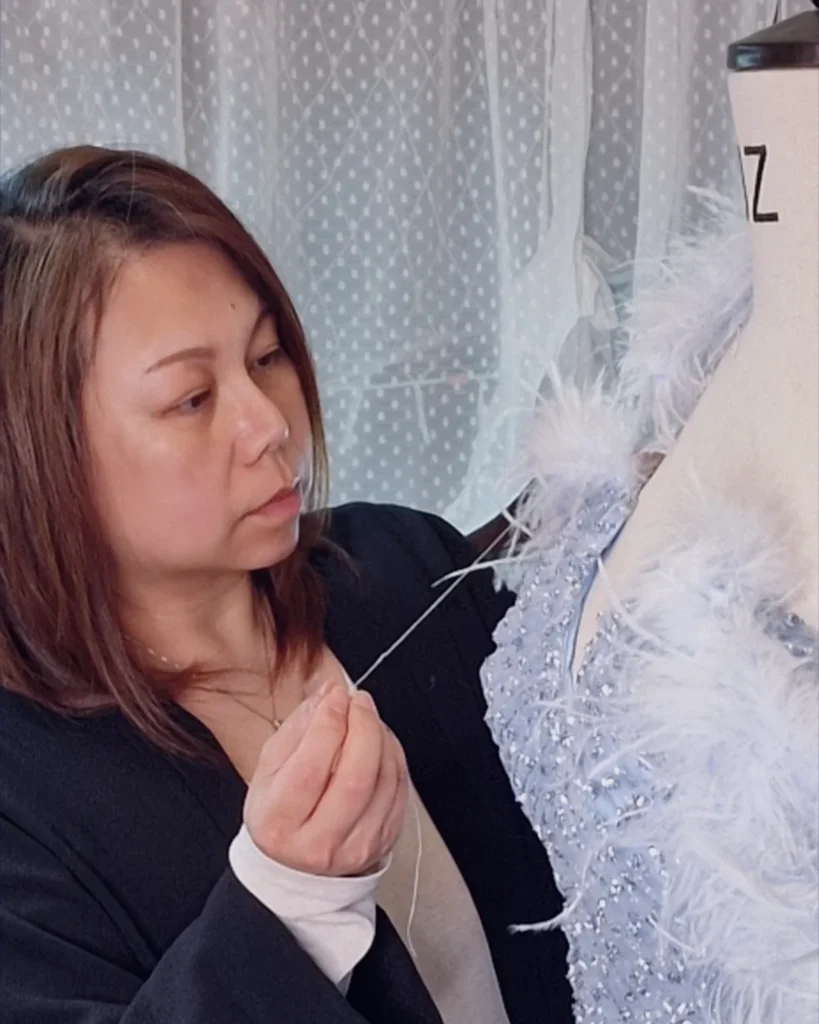
Before opening a seam, I look at how the gown has been constructed: where the boning sits, how the lining is attached, how the lace has been placed and how the different layers connect.
A side-seam alteration on a plain satin gown is very different from the same alteration on a boned lace bodice. The outside may look similar, but the work inside can be completely different.
SOMETIMES ONE ALTERATION AFFECTS ANOTHER
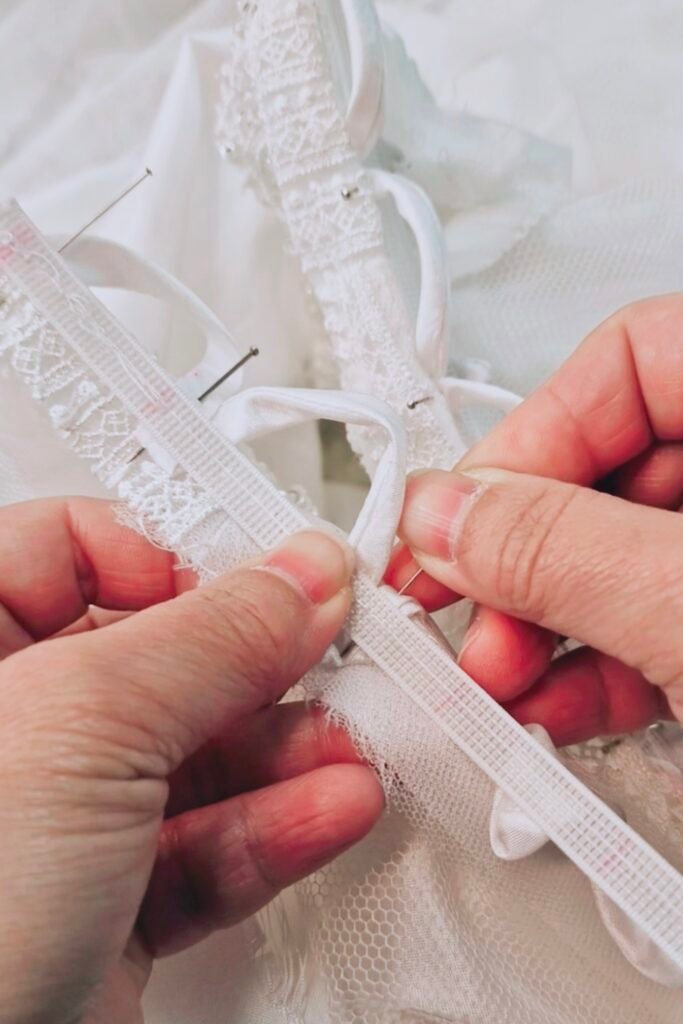
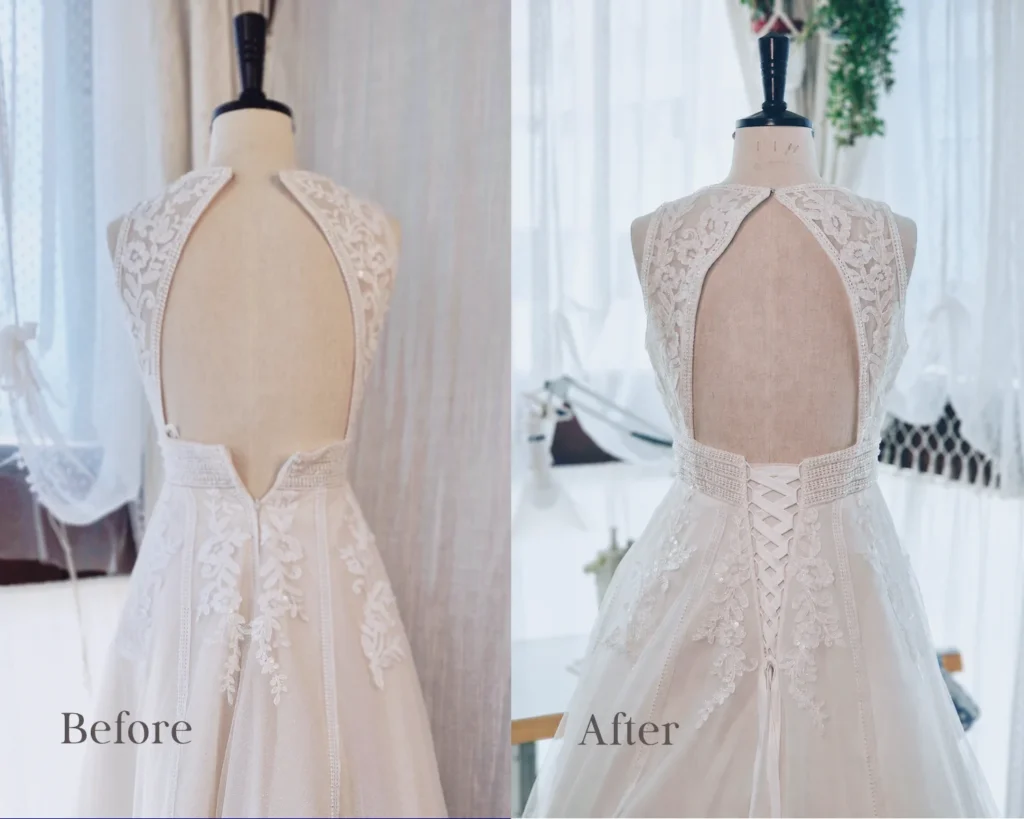
Changing the back of a gown may mean removing lace, rebuilding internal support or adjusting the bodice around the new opening. This is why I quote bridal alterations after looking at the actual dress rather than relying only on a standard price.
THE FINISH MATTERS TOO
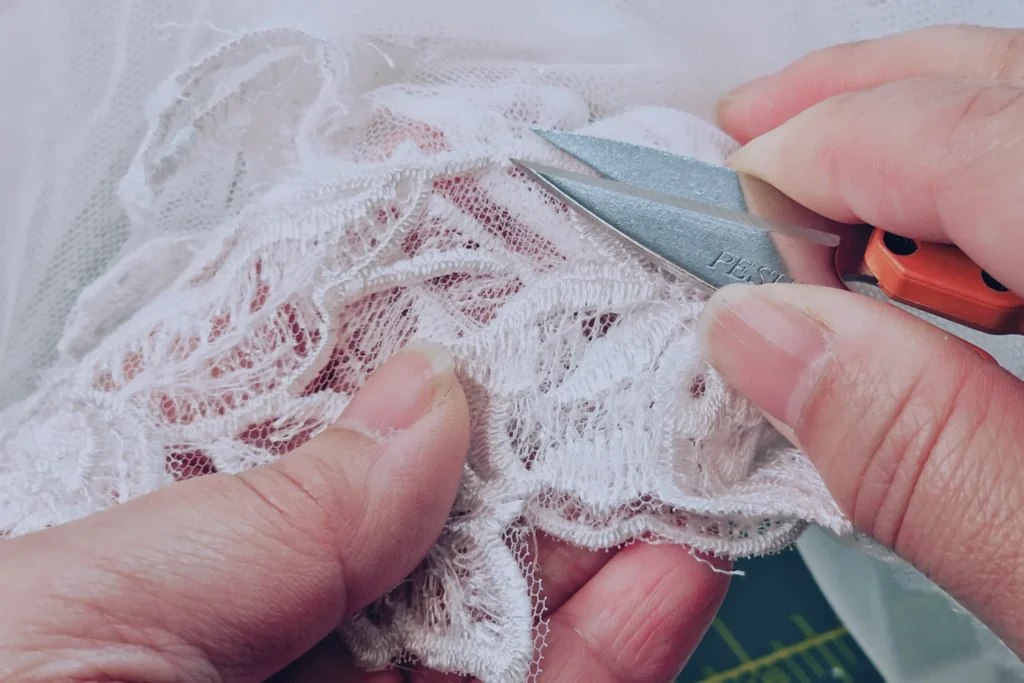
Once the fit is corrected, the alteration still has to disappear into the original dress. Lace may need to be removed and repositioned, seams matched and internal layers rebuilt so the finished gown still looks like one complete garment.
THE FINISH MATTERS TOO
Planning wedding dress alterations? Send me a few photos of your gown and your wedding date on WhatsApp before booking your first fitting.